

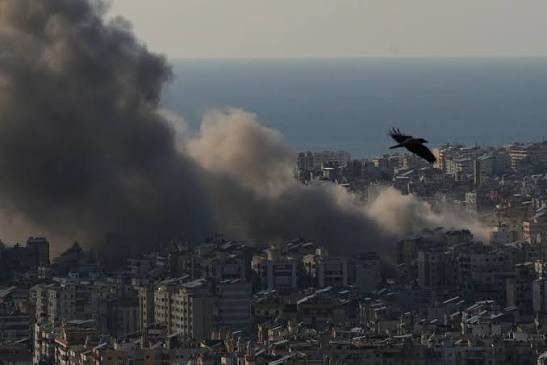
Israel’s Air Force has announced that it dropped more than 1,200 munitions across 24 of Iran’s 31 provinces during the past 24 hours as part of a joint military operation with the United States. According to Israeli military officials, the offensive represents one of the largest coordinated aerial campaigns conducted since the latest phase of hostilities between Israel and Iran began.
Israel says it dropped over 1,200 munitions across 24 Iranian provinces in the past 24 hours during a joint military offensive with the United States.
The Israeli military said the strikes targeted a broad network of military infrastructure, including missile launch facilities, air defense systems, weapons storage sites, command-and-control centers, military bases, and logistics hubs believed to support Iran’s strategic operations. Officials stated that the objective of the operation was to significantly degrade Iran’s military capabilities and reduce its ability to launch missile and drone attacks against Israel and allied forces.
Israeli defense officials further claimed that dozens of fighter aircraft, surveillance platforms, intelligence assets, and precision-guided weapons were involved in the coordinated operation. They described the campaign as the result of extensive intelligence gathering and close operational coordination with the United States, emphasizing that the strikes focused on military objectives.
The United States has continued to support Israel through intelligence sharing, regional military deployments, and defensive operations. While both countries have acknowledged close coordination, officials have maintained that the actions are intended to counter security threats posed by Iran and its regional military network.
Iranian authorities, meanwhile, have condemned the attacks, describing them as a violation of the country’s sovereignty. Officials in Tehran reported damage in multiple provinces and said emergency and rescue teams had been deployed to affected areas. Iran has also warned that it reserves the right to respond to what it calls aggression, raising concerns that the conflict could intensify further.
The latest strikes come after weeks of heightened military exchanges involving missile launches, drone attacks, and retaliatory operations between the two sides. Security analysts say the scale of the reported bombardment reflects a significant escalation and increases the risk of a broader regional conflict involving multiple state and non-state actors across the Middle East.
Governments around the world have expressed growing concern over the deteriorating security situation. Several countries and international organizations have urged all parties to exercise restraint, avoid actions that could further destabilize the region, and return to diplomatic engagement to prevent a wider war.
As the situation continues to evolve, independent verification of the full extent of the reported damage and casualty figures remains limited. Both Israeli and Iranian officials are expected to provide further updates as military operations continue and the international community closely monitors developments.