
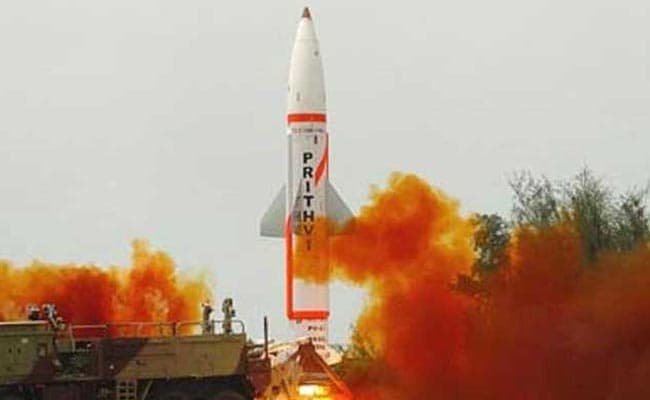
A recently released international security assessment has drawn attention to the evolving nuclear balance in South Asia, with India and Pakistan remaining at the center of strategic discussions. The report suggests that India’s nuclear capabilities have continued to develop, reflecting the country’s long-term focus on strengthening its defense preparedness.
India’s strategic defense capabilities and regional security position.
The report also examined Pakistan’s nuclear capabilities, noting that both countries continue to play a significant role in shaping the strategic dynamics of South Asia. Experts believe that developments in either nation’s defense infrastructure are closely monitored due to their impact on regional security calculations.
Security observers emphasize that nuclear capabilities are only one aspect of national defense. Diplomatic engagement, crisis management mechanisms, and confidence-building measures remain equally important in reducing tensions and maintaining stability between neighboring countries.
As geopolitical competition and security concerns continue to evolve, the latest assessment is expected to fuel further debate among policymakers, researchers, and international observers. The report underscores the importance of balancing military preparedness with diplomatic efforts to ensure long-term peace and stability in the region.
A recent international security report has drawn attention to India’s growing strategic capabilities, sparking discussions among defense analysts and geopolitical experts worldwide. The assessment suggests that India’s defense modernization efforts continue to strengthen its position in the region.
According to the report, advancements in military technology, delivery systems, and long-term security planning have contributed to India’s evolving deterrence strategy. Experts believe these developments reflect the country’s focus on maintaining preparedness amid changing regional and global security challenges.
The study also examined Pakistan’s strategic capabilities, noting that both nations remain central to the security dynamics of South Asia. Analysts say any significant development involving either country is closely watched due to its potential impact on regional stability.
Defense observers have pointed out that while military preparedness remains important, diplomatic engagement and confidence-building measures continue to play a crucial role in reducing tensions. Many experts argue that a combination of strong security policies and effective communication is essential for maintaining long-term peace in the region.
The report has generated renewed interest among policymakers and security researchers, with discussions focusing on how emerging technologies and evolving defense strategies may influence future geopolitical developments. As the regional security environment continues to change, strategic stability is expected to remain a key topic of international debate.