
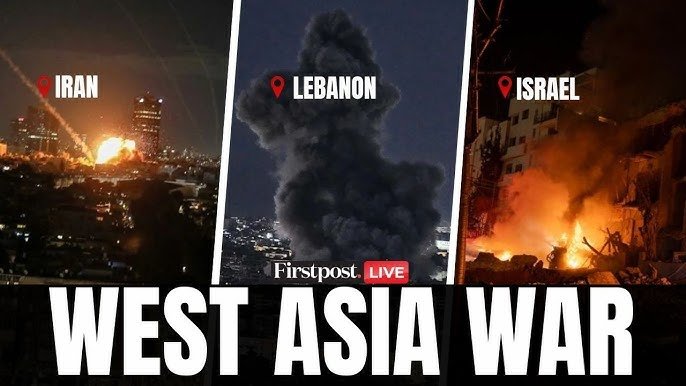
In a significant diplomatic development, Lebanon, Israel, and the United States have signed a trilateral framework pact aimed at easing long-standing tensions and creating a structured pathway for future negotiations. The agreement represents one of the most notable diplomatic initiatives in recent years, reflecting renewed international efforts to stabilize a region that has witnessed repeated cycles of conflict and political uncertainty.
Israel, Lebanon and U.S. Reach Trilateral Framework Agreement
The framework is designed to establish a coordinated mechanism for dialogue, reduce the risk of military escalation, and strengthen communication between the parties during periods of heightened tension. While the pact does not immediately resolve the broader disputes between Lebanon and Israel, it is expected to serve as a foundation for confidence-building measures and future discussions on security, border stability, and regional cooperation.
The United States played a central mediating role throughout the negotiations, facilitating discussions and encouraging both sides to commit to a structured diplomatic process. Officials involved in the talks described the agreement as an important first step toward reducing friction and promoting long-term stability in West Asia.
Regional observers note that the success of the framework will ultimately depend on sustained political commitment and the willingness of all parties to implement the agreed measures. Given the complex geopolitical landscape of the region, analysts caution that challenges remain, but many view the pact as a constructive opportunity to replace confrontation with dialogue.
The announcement has drawn close attention from governments across the Middle East and the wider international community, with many welcoming the agreement as a positive signal for regional security. As developments continue, attention will now shift to how the framework is implemented on the ground and whether it can pave the way for broader diplomatic progress in one of the world’s most strategically significant regions.


