
A new diplomatic push between the United States and Iran has sparked cautious optimism that the conflict in West Asia could move toward a political resolution after weeks of military confrontation and regional uncertainty. Recent statements from Washington suggest that the U.S. administration is prioritizing negotiations over further military escalation. American officials have indicated that discussions with Iranian representatives have reached a critical stage, raising expectations that a framework for reducing tensions could emerge in the coming days.
Ceasefire U.S. and Iran Signal Openness to Dialogue
Amid the growing conflict, India lodged a strong protest with U.S. officials and sought clarity regarding the circumstances that led to the deaths of the Indian seafarers. Authorities are closely monitoring the situation and coordinating efforts to ensure the safety of Indian nationals in the region.
Meanwhile, military tensions between the United States and Iran continued to escalate, with both sides exchanging strikes for a second consecutive day. Washington warned of further military action if diplomatic efforts fail, while Tehran maintained a tough stance against foreign military operations.
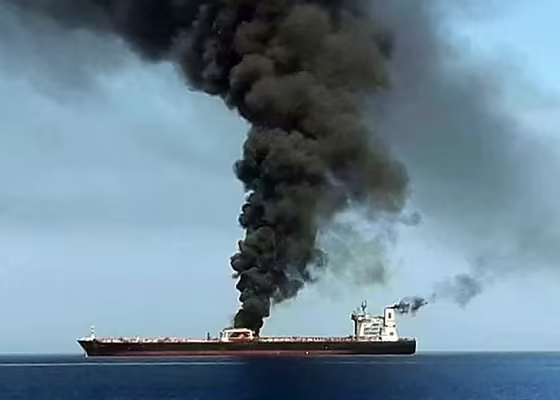
Adding to global concerns, Iran claimed that the strategically important Strait of Hormuz has been effectively shut down and warned vessels against using the route. However, U.S. military officials rejected the claim, stating that commercial shipping traffic continues through the waterway and that reports of attacks on American vessels are inaccurate.
The latest incidents have intensified fears over maritime security in one of the world’s most critical energy and trade corridors, with governments and shipping companies closely watching developments in the region.